


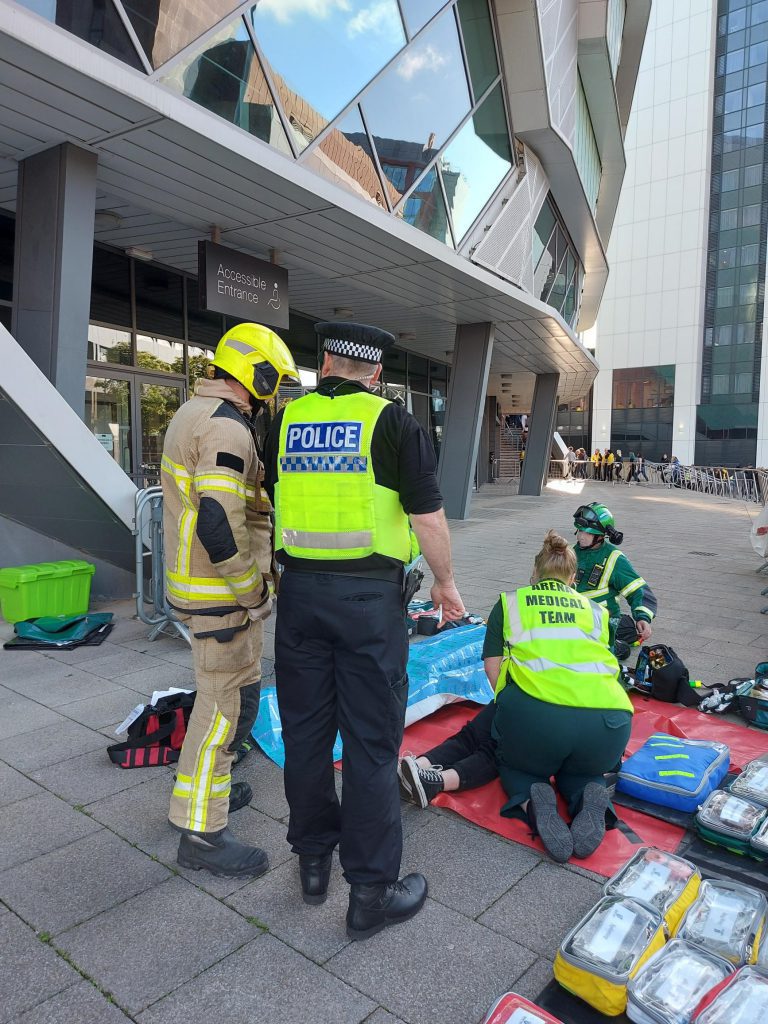
West Yorkshire Prepared is the Local Resilience Forum for West Yorkshire.
Made up of the region’s emergency responders, Local Authorities, health services and other supporting agencies, the organisations in West Yorkshire Prepared work collaboratively to help communities prepare for, respond to and recover from emergencies and major incidents.
As a multi-agency partnership we ensure there is co-ordination, co-operation and efficiency across the region, working together for the benefit of the communities we serve. To acheive this, we:
- Assess the types of hazards that might affect our region
- Put plans in place to address different types of emergencies
- Deliver training and exercises to test the plans
- Ensure staff in all organisations are kept up to date
- Provide advice, information and assistance to the public, business community and voluntary organisations.
Our five-year strategy sets out the direction for West Yorkshire Prepared over the coming years and outlines our ambition to strengthen resilience across the region. It defines our priorities and the actions we will take with partners to build safer, stronger and more resilient communities. Read the full strategy here:
Our latest annual report provides an overview of the types of incidents and exercises we have involvement in. You can view all our reports here:
Who we are
West Yorkshire Prepared is a co-Chaired partnership, jointly led by senior leaders from West Yorkshire Fire and Rescue Service, West Yorkshire Police and one of the Local Authorities.
Dave Walton
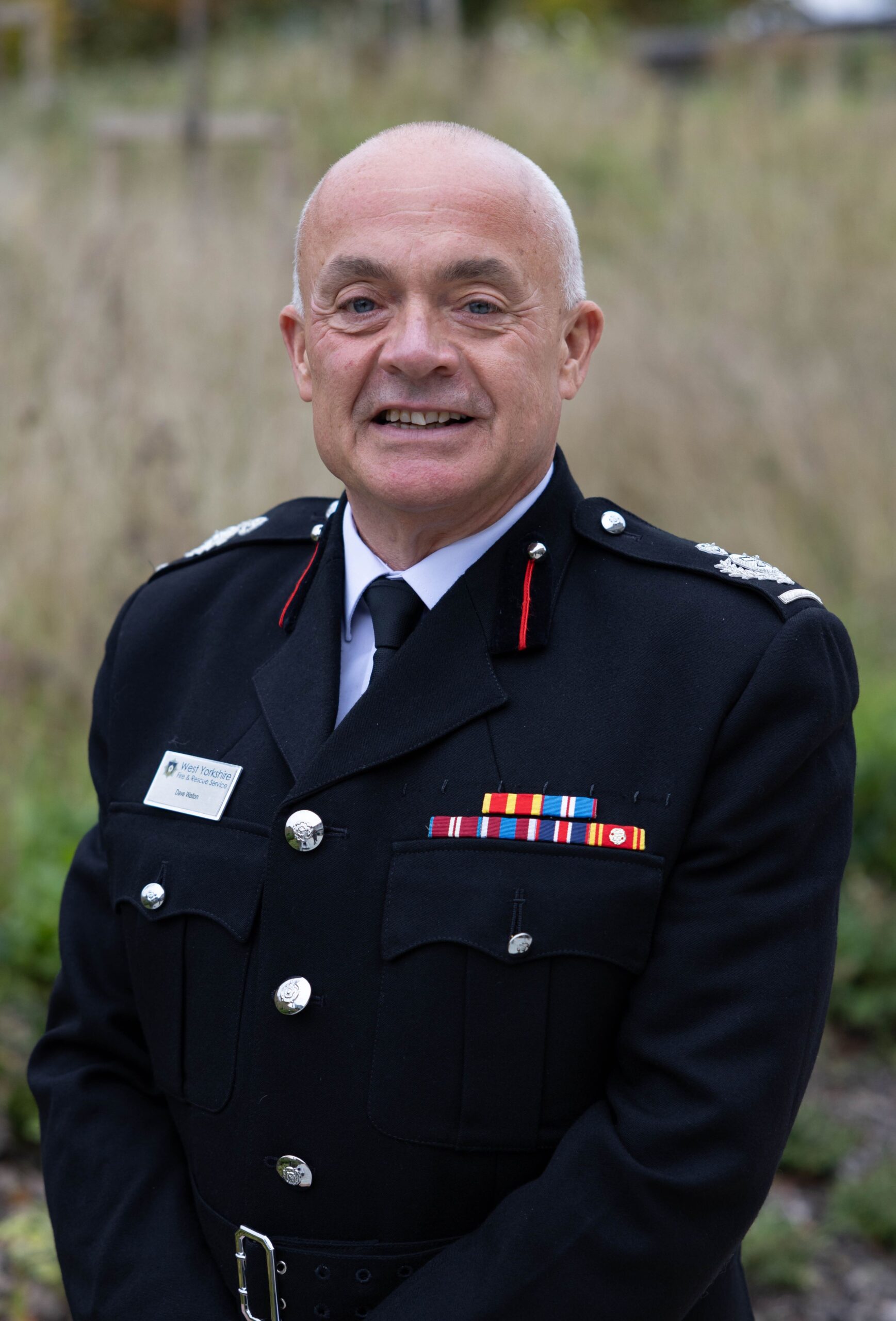
Deputy Chief Fire Officer for West Yorkshire Fire and Rescue Service
Mariana Pexton
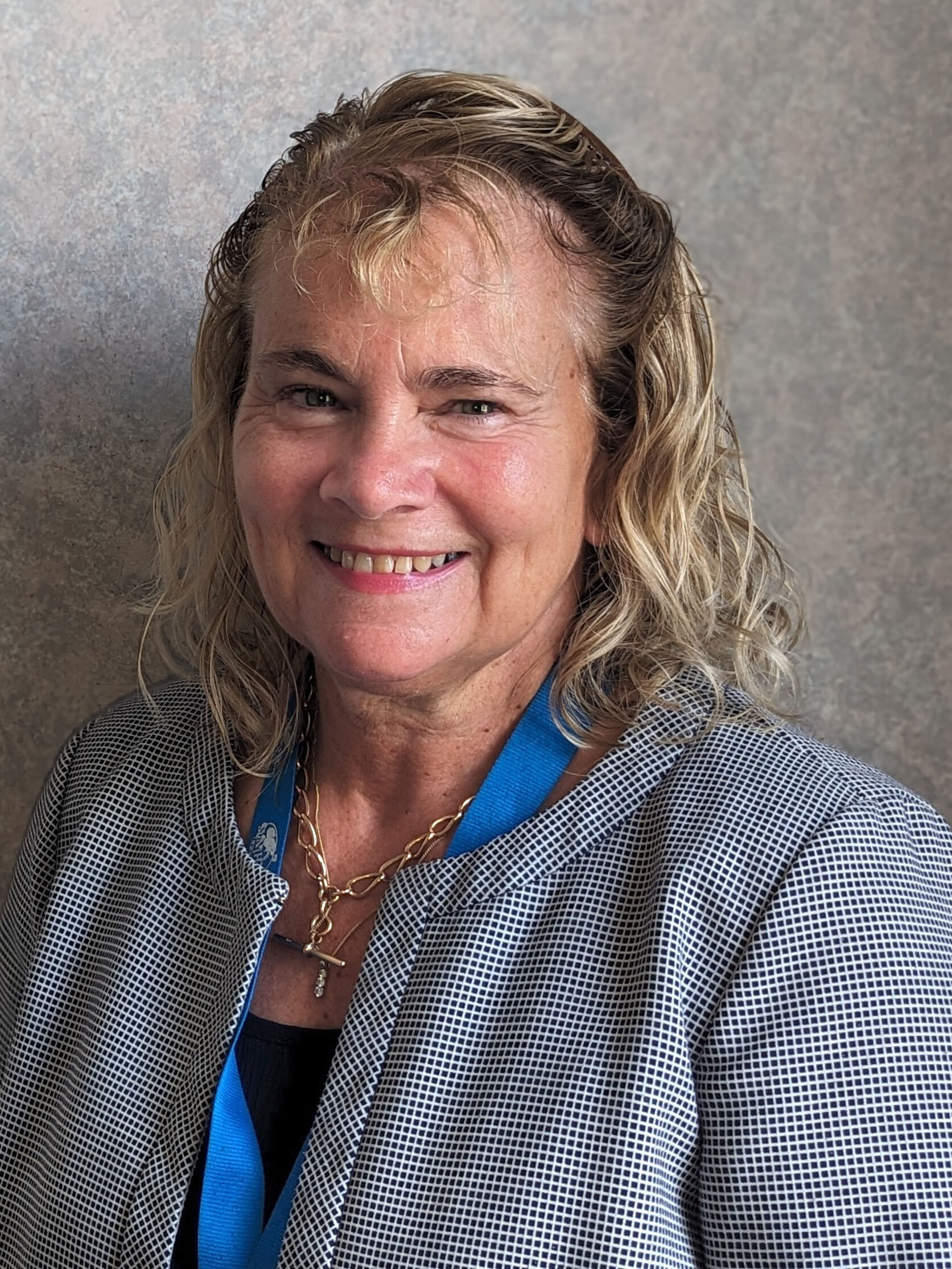
Deputy Chief Executive at Leeds City Council
Jon Arrowsuch
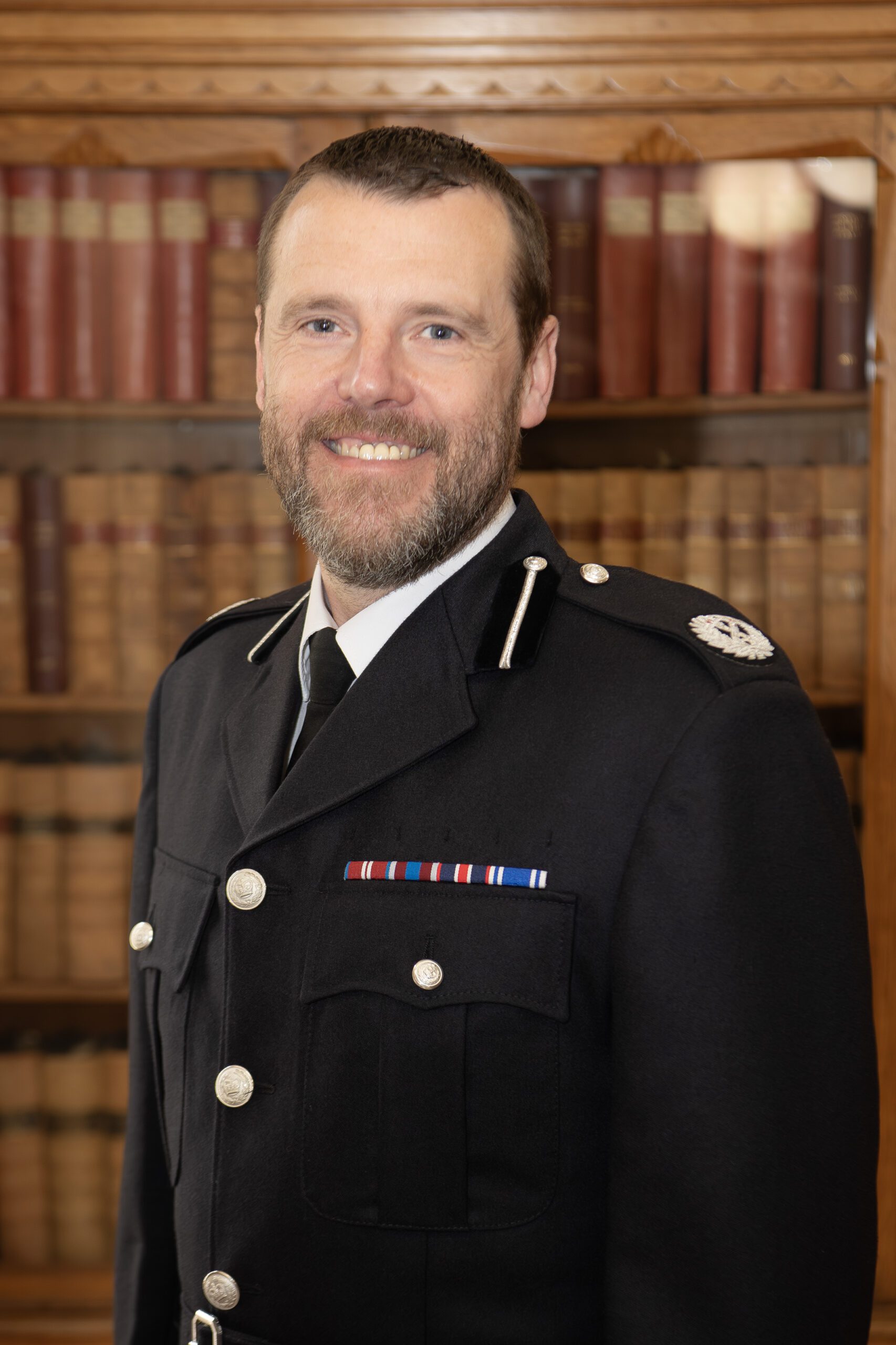
T/Assistant Chief Constable for West Yorkshire Police
The co-Chairs are supported by a team who help co-ordinate, highlight and deliver the work of the Partnership across West Yorkshire:
- Manager: Inspector Leah Bell, West Yorkshire Police
- Coordinator: Lyndsey Hartley, West Yorkshire Police
- Training and Exercising: Nicole Smith, West Yorkshire Fire and Rescue Service
- Projects & support: Jim Grafton, West Yorkshire Fire and Rescue Service
- Communications: Liz Armitage, West Yorkshire Fire and Rescue Service
- Community Resilience: Adrian Fickling, West Yorkshire Fire and Rescue Service
Our partners
The Partnership is made up of multiple organisations split into two categories:
Category 1 organisations – at the core of the response to most emergencies:







Category 2 organisations – co-operating bodies who, in the event of a major emergency, would support Category 1 organisations as required:









We also work closely with the Ministry of Defence and are supported by a wide number of voluntary organisations including British Red Cross, Mountain Rescue teams, 4×4 Response, Canal & River Trust, Raynet and REACT.
About Local Resilience Forums
A Local Resilience Forum (LRF) is a multi-agency forum which covers the police areas of the UK, involving key emergency responders and specific supporting agencies. Established under the Civil Contingencies Act (CCA) 2004, which came into effect to ensure the UK is better prepared to cope with potential risks, LRFs require organisations within their region to work together to prepare, respond and recover from different emergencies.
An LRF provides a forum for responders to share information, coordinate emergency planning and response, and produce a Community Risk Register. Rather than being a separate organisation, an LRF brings partners together to pool expertise and work collectively to prepare for and respond to emergencies.
Aims and objectives: The aim of an LRF is to make sure the duties stated in the Civil Contingencies Act 2004 are achieved within a multi-agency environment. These are to:
- Co-operate with other local responders
- Share information with other local responders
- Assess the risk of emergencies in the area
- Put in place business continuity management arrangements.
- Put in place arrangements to warn, inform and advise the public in the event of an emergency.
- Provide advice and assistance to businesses and voluntary organisations about business continuity